
Camel Safari: Two Nights, Three Days Around Jaisalmer
A slow camel route through villages most visitors never see — mixed-caste settlements, Rajput villages two and three hundred years old, and desert communities still living by farming and livestock, exactly as they have for generations.
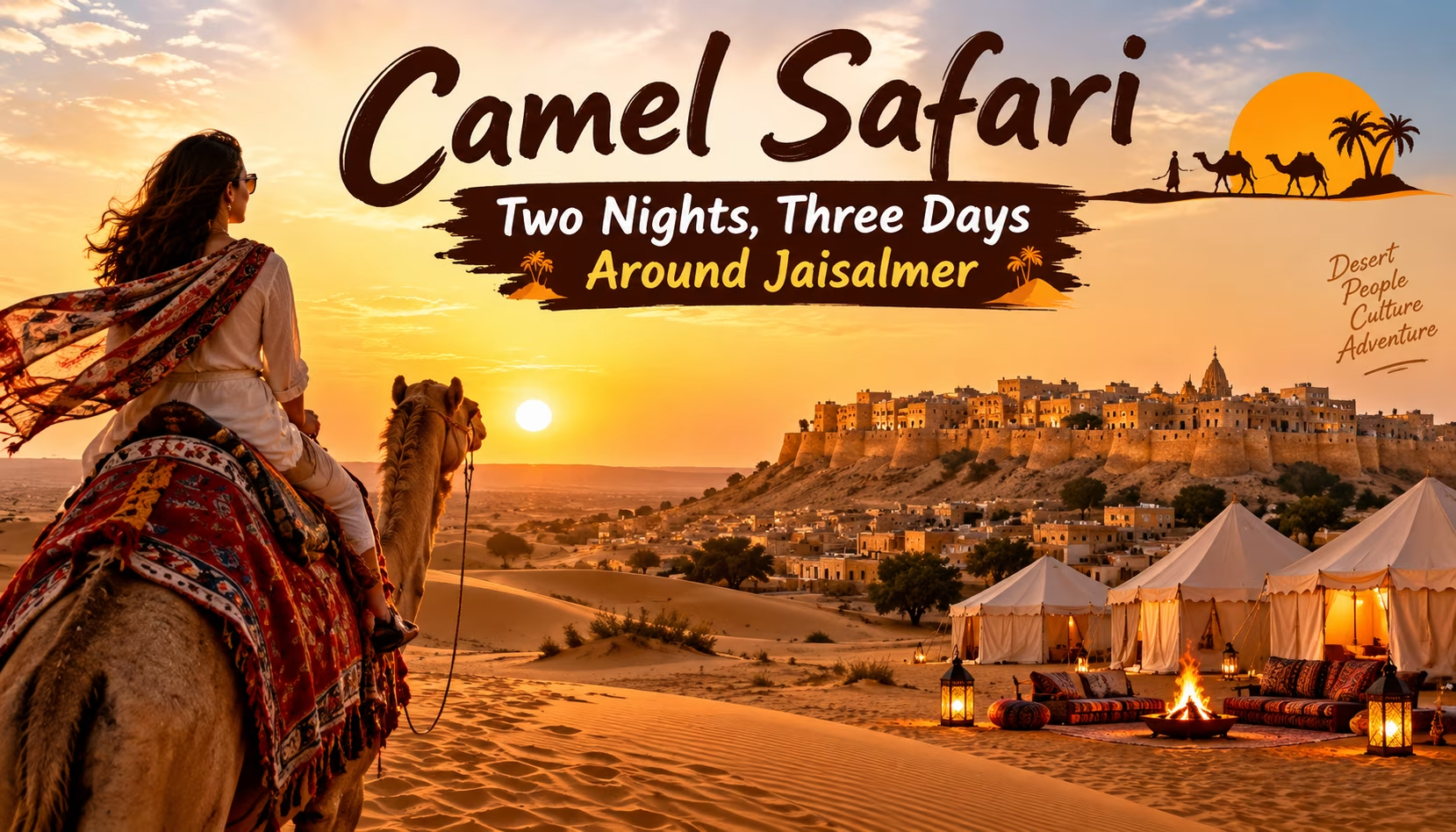
The Route
Day One
Start after breakfast on camels from Jaisalmer.
A mixed-caste village with a 70-year history. Dhawa has long been home to people of all castes and cultures, and its traditions are still followed today — festivals and marriages are celebrated as a joint gathering, with every community performing its allotted role.
A 270-year-old Rajput village. "Rajput" means son of the estate — the martial caste who served as warriors in the estate army. These villages were granted by the king to families who would raise soldiers for him and fight when called. Today the main occupation is agriculture and livestock. Lunch is taken near a small oasis.
A village of a tribal caste who traditionally lived by hunting and by forging iron into arrows and swords. Originally nomadic, with no clear record of the village's founding, they have lived here for the last 50–60 years, now settled as farmers and cattle grazers, still in old mud houses following nomadic traditions.
A mixed-caste village roughly 150 years old, mainly Meghwal and Rajput. Overnight stay at Kotadi, followed by dinner.
Day Two
Departure on camels after breakfast.
A 250-year-old Rajput village — again the martial caste who served in the estate army, given land to live on and raise soldiers for the king. Today the main occupation here is agriculture and livestock.
A 175-year-old Sindhi Muslim village. Its residents trace their roots to Sindh (the Indus valley civilisation) and speak Sindhi; they settled here after the Paliwals left. Their main occupation is agriculture and livestock. Lunch is taken by the water storage area.
Once a favoured village of Rajput dynasties — home to the court poets who sang songs of bravery to raise soldiers' morale before battle. This 400-year-old village was granted to those poets by the ruling king; today their descendants live by agriculture and livestock. Overnight camp on the Bhoo village dunes, followed by dinner.
Day Three
Start after breakfast on camels for the ride back to Jaisalmer.
Home to a community whose traditional occupation was skinning and tanning, making leather containers for carrying water and footwear. The village itself is not very old, with a history going back around 40 years.
"Dhani" means a settlement belonging to one family or caste. This one is inhabited by a Muslim family who traditionally farmed the surrounding land, living in mud huts through the monsoon season and moving to the nearest town after harvest to sell their produce.
A man-made monsoon water storage and collection point — historically the main source of drinking water for both animals and villagers. Lunch and an hour's rest here.
The final stretch back to Jaisalmer on camels, arriving by mid-to-late afternoon. Safari ends.